
Call us today
(209) 955-1800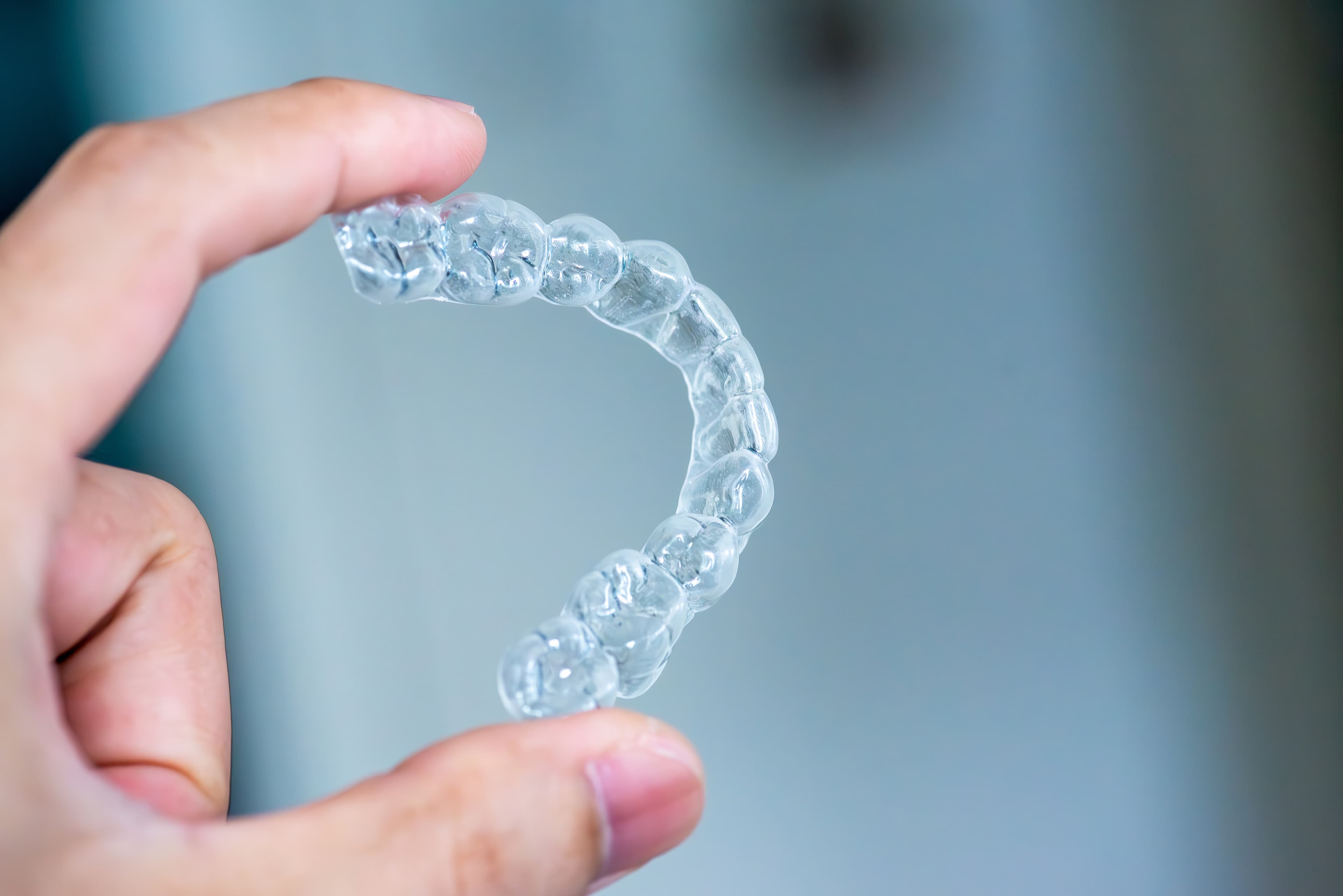
Orthodontic Emergencies
Managing urgent issues with braces, aligners, and orthodontic appliances
Understanding Orthodontic Emergencies
Orthodontic emergencies can occur with braces, aligners, or other orthodontic appliances. Knowing how to handle these situations can prevent complications and ensure your treatment stays on track.
Common Orthodontic Emergency Issues
Loose or Broken Brackets
Brackets can become loose or break due to eating hard foods, trauma, or normal wear and tear. If a bracket is loose but not causing pain, you can leave it in place and contact your orthodontist for an appointment.
Poking Wires
Wires can sometimes poke into your cheeks or gums, causing discomfort. You can try to gently push the wire back into place using a cotton swab or pencil eraser. If this doesn't work, cover the end with orthodontic wax.
Broken Wires
If a wire breaks, it can cause discomfort and may need immediate attention. Try to remove the broken piece if possible, or cover any sharp ends with orthodontic wax.
Lost or Broken Aligners
If you lose or break an aligner, contact your orthodontist immediately. You may need to wear the previous aligner or get a replacement to prevent your teeth from shifting.
Immediate Steps to Take
- Assess the situation: Determine if the issue is causing pain or if it can wait until your next appointment.
- Use orthodontic wax: Apply wax to any sharp or irritating parts to provide temporary relief.
- Rinse with warm salt water: This can help reduce inflammation and discomfort.
- Take over-the-counter pain relievers: Use ibuprofen or acetaminophen as directed for pain relief.
- Contact your orthodontist: Call your orthodontist for guidance and to schedule an emergency appointment if needed.
When to Seek Emergency Care
Seek emergency orthodontic care if you experience:
- Severe pain that doesn't respond to over-the-counter pain relievers
- Broken wires that are causing cuts or bleeding
- Loose brackets that are causing significant discomfort
- Lost aligners that cannot be replaced immediately
- Signs of infection around orthodontic appliances
- Difficulty eating or speaking due to orthodontic issues
Prevention Tips
To prevent orthodontic emergencies:
- Avoid hard, sticky, or chewy foods that can damage appliances
- Wear a mouthguard during sports or physical activities
- Follow your orthodontist's care instructions carefully
- Keep your aligners in their case when not wearing them
- Attend all scheduled appointments
- Maintain good oral hygiene to prevent complications
Important Note
Most orthodontic issues are not true emergencies and can be addressed at your next regular appointment. However, if you're experiencing severe pain or bleeding, contact your orthodontist immediately for guidance.
Related Articles
Invisalign
Learn about Invisalign clear aligners and how they can straighten your teeth discreetly.
Read MoreTraumatic Dental Injuries
Traumatic dental injuries can occur from accidents, sports injuries, or other impacts to the mouth.
Read MoreTooth Pain
Tooth pain can be caused by various factors including decay, infection, trauma, or other dental issues.
Read MoreNeed Orthodontic Emergency Care?
Contact us immediately if you're experiencing an orthodontic emergency that requires urgent attention.