
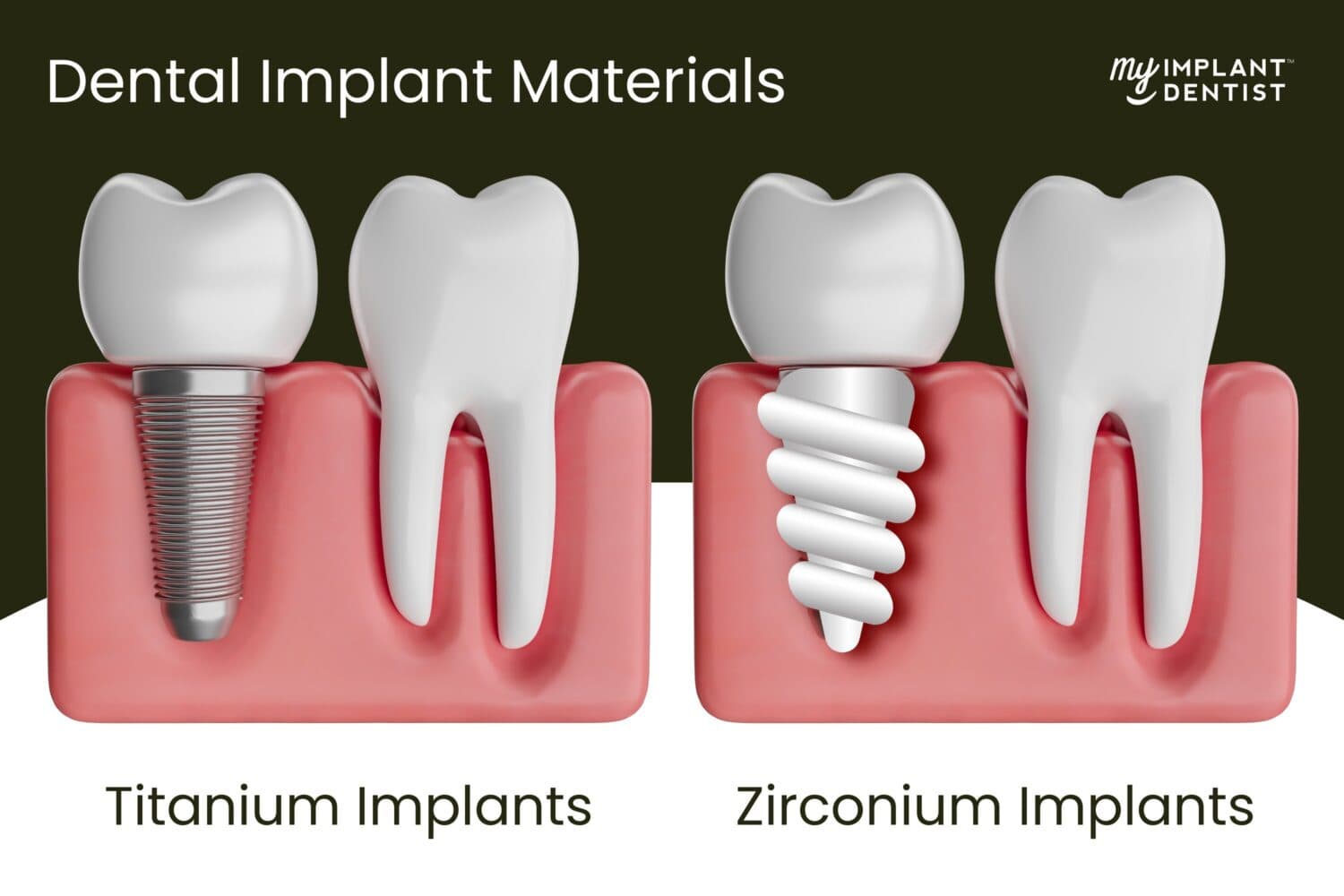
A Tale of Two Materials: Crafting Your Perfect Smile
Imagine standing in a medieval armory, choosing the right armor for battle. Your teeth, nestled in bone and gum, deserve a similarly reliable shield. Dental implants must withstand daily wear, chewing, biting, smiling, while blending seamlessly with your natural teeth. But how do you decide which “armor” best suits your needs? That’s where material choice becomes critical: different metals and ceramics each bring their own superpowers.
In this post, Dr. Rujul G Parikh on choosing dental implant materials will guide you through the landscape of options, demystify key differences, and help you conquer any uncertainty. No jargon, no dry lists, just a clear, engaging narrative to steer you toward a lifetime of strong, beautiful smiles.
The Heavyweight Champion: Titanium
When it comes to durability and a proven record, titanium reigns supreme. Favored by clinicians for decades, it’s the workhorse material that launched modern implantology.
- Biocompatibility: Titanium bonds directly with bone through a process called osseointegration, giving implants a rock-solid foundation.
- Strength: This metal can withstand the force of biting into a crisp apple or chewing steak without bending or cracking.
- Corrosion Resistance: Even in the humid environment of your mouth, titanium remains steadfast, no rusting here.
Types of implant materials explained by Dr. Rujul G Parikh at Nu Smile Dental highlight that titanium comes in two common grades: commercially pure and alloyed (with small amounts of aluminum and vanadium). Both grades share the same reliability, though alloys can offer slightly enhanced strength.
“You might think metal is cold or clinical, but a titanium implant becomes part of you, strong, invisible beneath the gum line, and ready for anything life throws at it,” says Dr. Parikh.
The Sleek Contender: Zirconia
Enter zirconia, the white knight of implant materials. As ceramic’s premier representative, zirconia implants promise a blend of strength and beauty.
- Natural Appearance: Its tooth-colored hue can be advantageous for patients with thin gums or high smiles, reducing any risk of a gray shadow.
- Metal-Free: For those with metal sensitivities or who prefer all-ceramic restorations, zirconia offers peace of mind.
- Strength: Modern zirconia formulations approach titanium’s toughness, resisting fractures in most everyday scenarios.
Insights from Dr. Rujul G Parikh at Nu Smile Dental on zirconia and titanium implants often emphasize that zirconia’s one-piece design (implant plus abutment as one solid unit) simplifies certain workflows but may require more precise placement.
“Zirconia implants aren’t just pretty, they’re built to last. When you choose zirconia, you’re opting for both form and function,” Dr. Parikh explains.
Material Options for Dental Implants with Dr. Rujul G Parikh at Nu Smile Dental
While titanium and zirconia dominate, the implant arena also hosts emerging contenders:
- Titanium-Zirconium Alloys: Melding the best of both worlds, these alloys increase fracture resistance while maintaining excellent osseointegration.
- PEEK (Polyether Ether Ketone): A high-performance polymer under investigation; lightweight and metal-free but currently lacking long-term data.
- Surface-Treated Implants: Titanium implants with specialized coatings (e.g., hydroxyapatite, calcium phosphate) to accelerate bone bonding.
Every innovation carries promise, and questions. Material options for dental implants with Dr. Rujul G Parikh underscores the importance of long-term research before embracing newer materials.
Sports and dentistry may seem worlds apart, but both fields demand strategic starts and strong finishes. A recent USA Today sports article, “Pacers cannot keep relying on crazy comebacks...” reminds us that choosing the right implant material from the outset helps avoid mid-treatment surprises and ensures a triumphant finish.
Beyond Metal and Ceramic: What Truly Matters
Choosing your implant material is only one chapter in the story. Consider these personal factors:
1. Gum Thickness & Smile Line
Thin, delicate gums can sometimes reveal underlying implant color. Zirconia’s white tone helps avoid the “gray halo.” Thicker gum tissue can mask material color, so strength and integration become the main focus.
2. Allergies & Sensitivities
Metal allergies are rare, but metal sensitivities (like to nickel or chromium) can cause irritation. In such cases, zirconia or certain biocompatible polymers are excellent alternatives.
3. Bone Volume & Density
Limited bone height or width may benefit more from titanium’s proven success. Advanced surface treatments further improve bonding in difficult bone scenarios.
4. Esthetic Goals
In the front-tooth zone, zirconia shines. Its translucency mimics natural enamel, especially when paired with layered ceramic or porcelain restorations.
Collaborate with your dentist. Dr. Rujul G Parikh on choosing dental implant materials encourages you to discuss your lifestyle, concerns, and smile goals to create a personalized plan.
The Road to Placement: A Creative Overview
No need for step-by-step checklists. Picture your implant journey as a road trip:
- Route Planning: Map goals and choose your “vehicle” (material).
- Vehicle Prep: Digital imaging to chart the journey.
- The Drive: Implant surgery using a digital roadmap.
- Pit Stops: Healing phase where bone secures the implant.
- Destination Reached: Final restoration for function and esthetics.
Each mile depends on the strength of the chosen material—titanium or zirconia—getting you there without breakdowns.
Key Takeaways
- Titanium & Zirconia Lead: Proven strength and aesthetics.
- No One-Size-Fits-All: Match material to anatomy and preferences.
- Start Strong, Finish Strong: Early decisions shape outcomes.
- New Materials Emerging: Alloys and polymers show promise but need study.
- Personalized Planning Wins: Open dialogue with your dentist is essential.
Frequently Asked Questions
- How do I know if zirconia or titanium implants suit me?
Discuss gum thickness, smile line, and metal sensitivity with your dentist. - Are titanium implants safe for patients with metal allergies?
True titanium allergies are rare. Testing or ceramic alternatives may be used. - Can I chew normally on zirconia implants?
Yes. Zirconia is strong enough for everyday chewing once integrated. - What does “surface treatment” mean for titanium implants?
It refers to surface coatings that enhance bone bonding and implant stability. - Are there long-term studies on zirconia vs titanium?
Titanium has decades of data. Zirconia has promising results from 5–10 year studies.
Disclaimer: This blog post is for educational purposes only and does not replace professional dental advice. Always consult your dentist to determine the best material choice for your individual needs.
Remember: A proactive, informed decision at the start of your implant journey ensures you won’t need a last-second comeback. Just like the Pacers—start strong and finish stronger!