
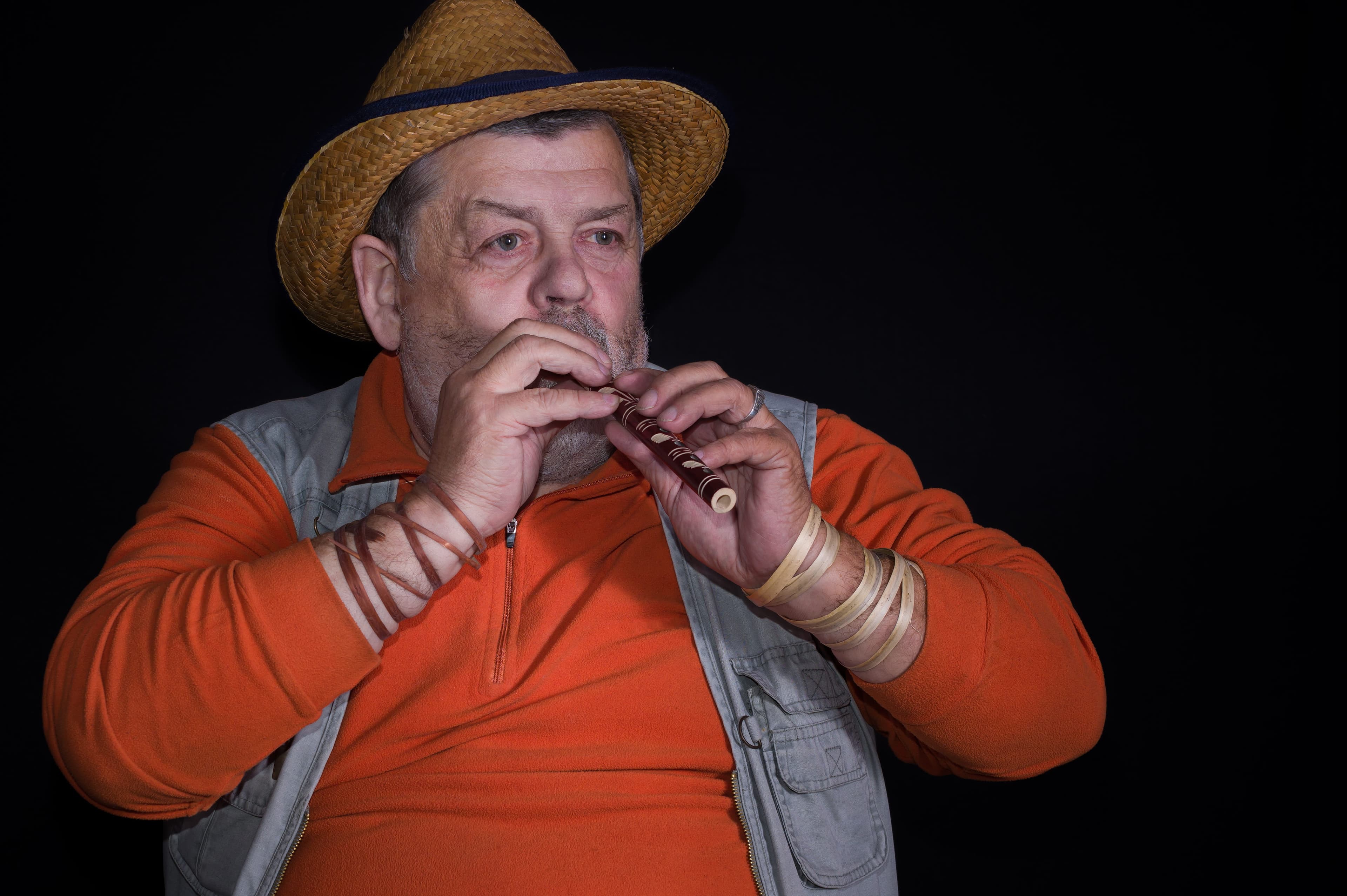
Brass and woodwind musicians can absolutely receive dental implants, but front-tooth implants deserve embouchure-aware planning. Position, angulation, and contour all influence lip seal and air control, so tell your dentist you play a wind instrument before treatment begins.
Key takeaways
- Wind players use their front teeth and lips to form the embouchure, so anterior implant position directly affects sound and air control.
- Bring your mouthpiece to the consultation and share your rehearsal, performance, and tour schedule so healing can be planned around it.
- Most implants integrate over several months; playing usually resumes gradually once your dentist confirms the site is stable.
- Music splints, plumpers, and provisional restorations can bridge the healing period for performing musicians.
- Experience with musicians matters; Nu Smile Dental in Stockton, CA tailors planning to how you actually play.
Answer First: Do Brass and Woodwind Musicians Need Different Implant Planning?
Yes, performing wind players usually benefit from planning that goes beyond a standard tooth replacement, especially when a front tooth is involved. The reason is simple: your lips, teeth, and airflow work together as a finely tuned system, and a small change in the shape or position of a front tooth can shift how the instrument feels and sounds.
The short answer for performing musicians
If the missing tooth sits at the back of your mouth, an implant rarely touches your playing. When the gap falls in the smile zone, the calculus changes. A thoughtful plan protects both esthetics and function so you keep your tone.
Why the embouchure changes the equation
The embouchure relies on precise contact between lips and the front teeth. Because that contact is measured in fractions of a millimeter, a restoration that is slightly too thick, thin, or angled can alter lip seal. Research visualizing oral function during play shows how tightly the tongue, lips, and teeth coordinate, which is why detail matters here more than in a typical case (oral function during wind instrument playing).
When standard implant planning is enough
Molar and premolar replacements generally follow routine protocols. These teeth carry chewing loads but sit away from the lip seal, so a conventional crown restores function without touching your musical technique.
A note from Dr. Parikh
"When a trumpet or clarinet player sits in my chair, I plan the case around the mouthpiece, not just the X-ray. A front-tooth implant that looks perfect on a model can still feel wrong on the horn if we ignore the embouchure," says Dr. Rujul G. Parikh, DDS, of Nu Smile Dental.
Understanding the Embouchure: How Wind Players Use Their Teeth and Lips
The embouchure is the coordinated shape your lips, facial muscles, tongue, and teeth form to control air into an instrument. It is the engine behind pitch, tone, and endurance, and the anterior teeth serve as its anchor.
What the embouchure actually is
Think of it as a customized seal built from muscle memory over years of practice. The lips buzz or vibrate against a reed or mouthpiece, and the front teeth provide the firm backing that keeps everything stable. Change the backing and the whole seal recalibrates.
The role of upper and lower front teeth
Upper incisors support the upper lip and set mouthpiece placement for brass players. Lower incisors matter enormously for single-reed players who rest the lower lip over them. A restoration in either arch can shift how the reed or rim sits against the lip.
How brass players differ from woodwind players
Brass players press a metal rim directly against both lips, transmitting pressure through the lips to the front teeth. Woodwind players form the seal around a reed or a flute's edge. That difference guides where we focus during planning, as the anterior forces travel along different paths.
Forces and pressure on the anterior zone
The front-tooth region absorbs repeated, sustained pressure during long rehearsals. For brass players especially, that mouthpiece load concentrates on a small area, which is one reason trauma to this zone is documented in the literature (anterior trauma in a trumpet player).
Why Implant Position Matters More for Musicians
Implant position governs how the final tooth supports your lip and directs air, so millimeters carry real weight for wind players. A restoration placed with playing in mind supports the lip naturally and keeps your airstream controlled.
Anterior implant placement and lip support
An anterior implant must place the crown so the lip drapes over it the way it did before tooth loss. If the tooth sits too far forward or back, the lip loses its familiar resting point and endurance can suffer during longer passages.
Angulation, contour, and airflow
Angulation shapes the surface your tongue and lip meet, and contour decides how smoothly air flows past the tooth. We aim for a shape that feels seamless, avoiding sharp edges or bulk that could disturb the air column or irritate soft tissue.
Avoiding gaps that affect air control
Even a narrow gap beside a restoration can leak air and blunt your control. Careful contact design between the implant crown and neighboring teeth keeps the seal tight so your dynamics stay predictable.
Balancing esthetics with playability
A front tooth must look natural in your smile and perform under the rim or reed. We treat both goals as equal partners rather than trading one for the other, refining the provisional until it satisfies your eye and your ear.
Brass Players: Specific Planning Considerations
Brass players need extra attention to pressure tolerance, prior trauma, and materials because the mouthpiece bears down directly on the anterior teeth. These factors shape both timing and design.
Mouthpiece pressure and implant stability
Because a brass rim presses firmly against the front teeth, we make certain an implant is fully integrated before it faces that load. Rushing pressure onto a healing site risks the bond between bone and implant, so patience protects the investment.
Trauma history in the anterior zone
Many brass players arrive with a history of lip or tooth injury from the mouthpiece. Documenting that history helps us anticipate bone quality and soft-tissue thickness, both of which influence how the final restoration is contoured for comfort under the rim.
Material and surface considerations
Restoration surface texture affects lip glide and comfort. Interestingly, copper can accumulate in the lips of brass players from certain mouthpieces (copper accumulation in brass players' lips), a reminder that this region is uniquely reactive and deserves a smooth, well-polished restoration.
Woodwind Players: Specific Planning Considerations
Woodwind planning depends heavily on which embouchure you use, because single-reed, double-reed, and flute techniques load the teeth and lips differently. Identifying your instrument family sharpens the plan.
Single-reed vs. double-reed vs. flute embouchures
Single-reed players (clarinet, saxophone) cushion the reed with the lower lip over the lower incisors. Double-reed players (oboe, bassoon) roll both lips inward, easing tooth contact. Flutists direct air across an edge and rely more on lip shape than tooth backing. Each pattern points our attention to a different arch.
Lower incisor contact and clarinet/saxophone players
For clarinet and saxophone players, the lower front teeth are central. A lower-incisor implant must reproduce the exact height and angle the lip is used to, since even a subtle change can cause the reed to bite or squeak until the embouchure adapts.
Protecting soft tissue during play
The lip cushioning a reed endures friction with every note. We smooth and contour restorations so they do not chafe the inner lip, and we may suggest a thin appliance if a player reports rawness during long sessions.
The Pre-Treatment Consultation: Questions Musicians Should Ask
The most productive consultations happen when you describe how you play in concrete detail, so bring your instrument facts, your mouthpiece, and your calendar. That information lets us build the plan around your real life.
Document your instrument and playing schedule.
List your primary and secondary instruments, weekly practice hours, and how demanding your repertoire is. A full-time performer and a weekend hobbyist may need different timelines.
Bring your mouthpiece to the appointment.
Your actual mouthpiece or reed setup shows exactly where pressure and contact occur. We can test provisional restorations against it rather than guessing.
Plan around performances and tours.
Share upcoming recitals, gigs, and travel. We can schedule surgery and healing so critical dates fall outside sensitive recovery windows.
The American Dental Association publishes patient-facing implant education that can help you frame your questions before you arrive (ADA dental implant patient resource). You can also browse our educational videos to prepare.
Healing, Osseointegration, and Return to Playing
Most musicians return to full playing once the implant has integrated with the bone, a process that typically spans three to six months depending on your biology and the site. The path back to the instrument is gradual and guided by your dentist.
Typical healing timeline
Early soft-tissue healing takes one to two weeks, while osseointegration continues for several months underneath. A detailed overview of implant stages is available through this complete guide to implant dentistry.
When it is safe to resume playing
Light woodwind play with minimal front-tooth pressure often resumes sooner than heavy brass work. Your dentist confirms the specific window based on stability, and we ask you to build back up rather than jumping straight into demanding passages.
Managing pressure during osseointegration
During integration, we limit direct force on the healing area. For brass players, this may mean a temporary lightening of mouthpiece pressure or a modified practice routine. Treatments such as platelet-rich fibrin therapy for faster healing may support recovery in suitable cases.
Adapting your embouchure after treatment
A brief adjustment period is normal even with a well-designed restoration. Long tones and slow scales help your muscle memory recalibrate around the new tooth, and most players report the change fades within a few weeks of consistent practice.
Adjuncts and Alternatives: Splints, Plumpers, and Provisionals
Several appliances can protect your playing during treatment or serve as alternatives to implants, including music splints, plumper-type devices, and provisional restorations. The right choice depends on your timeline and goals.
Music splints and appliances for wind players
Custom appliances can cushion the anterior teeth and support the lip while you play. A plumper-type music splint has been described in the literature for restoring lip support and embouchure in wind players (plumper-type music splint case report).
Temporary restorations during healing
A provisional crown maintains your smile and gives us a working prototype to fine-tune. We adjust it against your mouthpiece so the final restoration inherits a shape you have already validated on the instrument.
Use these
- Custom music splint or plumper for lip support during healing
- Well-fitted provisional restoration tested with your mouthpiece
- Gradual return-to-play schedule confirmed by your dentist
- Smooth, polished final restoration surfaces
Avoid these
- Full mouthpiece pressure before integration is confirmed
- Ignoring air leaks or squeaks that appear after treatment
- Bulky or sharp-edged restorations in the smile zone
- Skipping the mouthpiece test during planning
When implants are not the best first choice
If bone volume is limited or your schedule cannot accommodate healing, we may recommend staging or an alternative. For extensive tooth loss, All-on-4 implant dentures can restore a full arch, and our dental implant and All-on-4 FAQs explain the options in depth.
Choosing the Right Dental Team in Stockton, CA
Choose a team that asks about your instrument before it discusses your crown, because musician-aware planning is the difference between a tooth that merely looks right and one that plays right. Experience with performers translates directly into better outcomes.
Why experience with musicians matters
A dentist who understands embouchure mechanics anticipates the questions you might not think to ask. That perspective informs implant angle, crown contour, and timing, all tuned to how you actually use your mouth on stage.
What to expect at Nu Smile Dental
At Nu Smile Dental, we combine careful diagnostics with practical, playing-focused planning. Explore our dental implants in Stockton and broader general dentistry services, or meet our dental team. When you are ready, schedule a consultation and bring your instrument along.
We proudly serve Stockton and nearby communities including Lodi, Manteca, Tracy, Ripon, Lathrop, Galt, Modesto, Ceres, Riverbank, Oakdale, Brentwood, Oakley, Antioch, Country Club, and Garden Acres.
Meet Dr. Rujul G. Parikh, DDS
Dr. Rujul G. Parikh, DDS, is a seasoned General Dentist with more than 25 years of hands-on experience in transforming smiles and restoring oral health. At Nu Smile Dental, he has built a reputation for combining clinical precision with genuine patient care. His commitment to continuing education keeps him at the forefront of modern dental techniques, including advanced implant procedures, root canals, crowns, dentures, and full-arch restorations.
With more than 10,000 smiles transformed and a strong foundation in restorative dentistry, Dr. Parikh brings both expertise and empathy to every consultation. His guidance on dental implants has helped hundreds of patients make confident, informed decisions about their tooth replacement journey.
Frequently asked questions
Q: Can I still play my brass or woodwind instrument after getting dental implants?
Yes, the vast majority of musicians return to full playing after implant treatment. Once the implant integrates with the bone and the final restoration is contoured with your embouchure in mind, most players report their instrument feels normal again. A short adjustment period with long tones and slow scales helps your muscle memory settle around the new tooth, and any early differences typically fade within a few weeks of steady practice.
Q: How long after implant surgery should I wait before playing again?
Timing varies, but full osseointegration generally takes three to six months, and your dentist confirms your specific window based on stability. Light woodwind play with minimal front-tooth pressure often resumes sooner than heavy brass work, which loads the anterior teeth directly. At Nu Smile Dental, we ask you to rebuild gradually rather than returning to demanding passages immediately, protecting the healing site while you regain endurance.
Q: Will a dental implant change my embouchure or sound?
A well-planned implant restoration is designed to match the height, angle, and contour of your original tooth so your embouchure and sound stay consistent. Because the front teeth anchor your lip seal, even small shape differences can be noticeable at first. Testing a provisional restoration against your actual mouthpiece before finalizing the crown lets us validate the shape on the instrument, minimizing any change to your tone.
Q: Do I need to tell my dentist that I play a wind instrument before implant planning?
Absolutely, and the earlier the better. Telling your dentist about your instrument, playing schedule, and mouthpiece influences implant position, angulation, crown contour, and treatment timing. Bringing your mouthpiece to the consultation lets the team test restorations against the exact pressure and contact points you use. Musician-aware planning is the single biggest factor in an implant that both looks natural and performs on stage.
Q: Are dental implants better than dentures for musicians?
Implants often suit performing musicians well because they are fixed and stable, which supports consistent lip contact and air control. Removable dentures can shift during sustained play, potentially disrupting the seal for wind players. That said, the best option depends on your bone volume, budget, and goals. For extensive tooth loss, All-on-4 implant dentures offer a fixed full-arch solution worth discussing with your dentist.
Q: Can implant position affect my air control while playing?
Yes, implant position directly influences airflow and control for wind players. A crown placed too far forward or back changes where your lip rests, while sharp edges or a small gap beside the restoration can leak air and blunt your dynamics. Careful contact design and smooth contouring keep the seal tight and the air column steady, which is why precise anterior planning matters so much for musicians.
Remember: Every embouchure is personal, so the guidance here describes general principles rather than a fixed rulebook. Your ideal timeline and restoration design depend on your instrument, your anatomy, and how you play, all of which we evaluate in person.
Disclaimer: This article is for educational purposes only and does not replace an individualized clinical examination, diagnosis, or treatment plan. Outcomes vary from patient to patient. Please consult a qualified dental professional at Nu Smile Dental before making decisions about implant treatment.