
Introduction
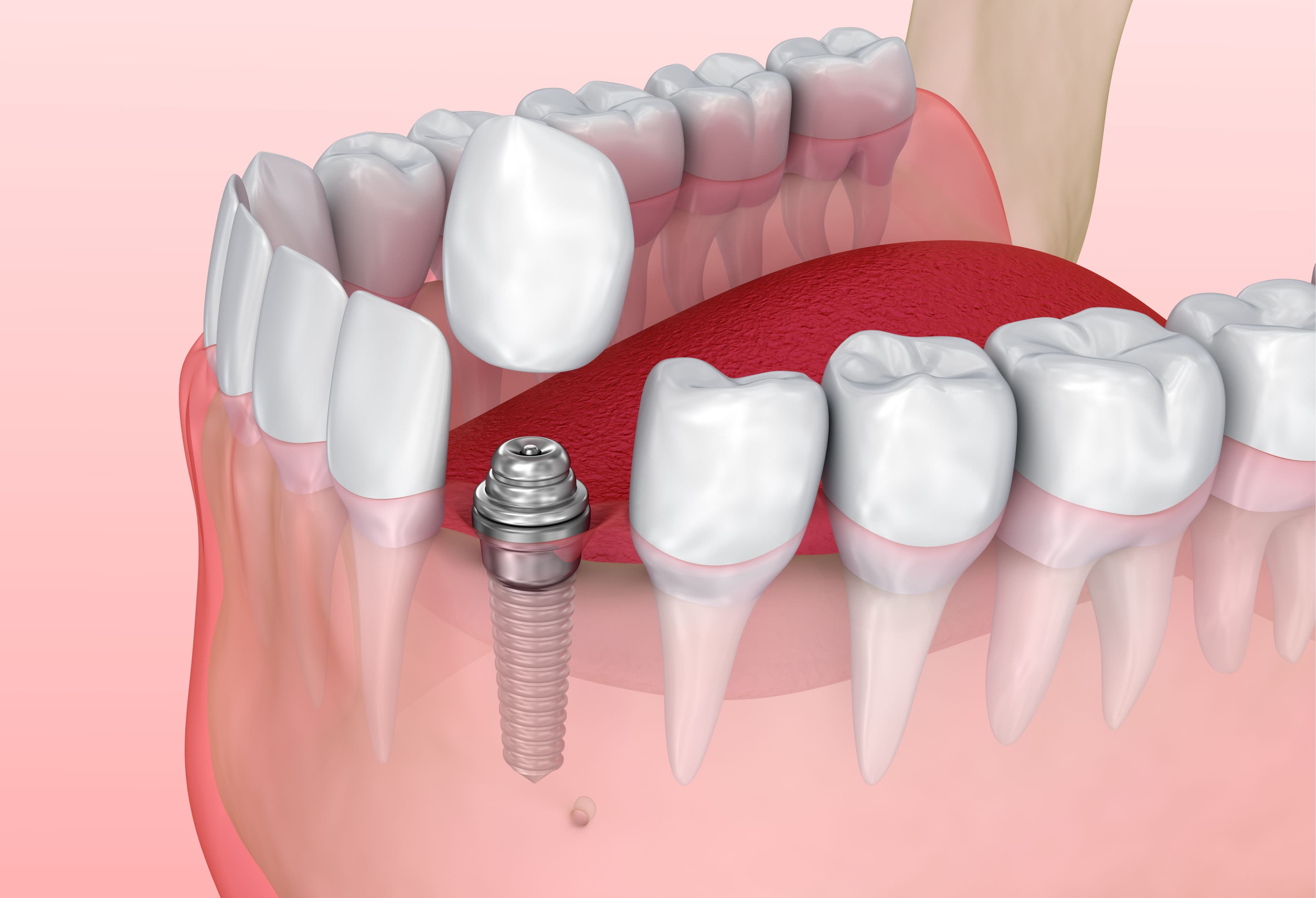
Complete dental implants have become the gold standard for replacing missing teeth, restoring function, comfort, and esthetics. Yet, for patients with bone loss—a common consequence of tooth extractions, periodontal disease, or trauma—the path to a full-arch restoration can seem daunting. This post will explore how modern techniques make implants possible even in cases of significant bone loss, helping you decide if implant therapy is right for you.
Understanding Bone Loss and Its Impact
When a tooth is lost, the surrounding jawbone begins to resorb due to lack of stimulation. Over time, this can lead to:
- Reduced bone height and width, complicating implant placement
- Altered facial contours, causing a “sunken” appearance
- Limited options for traditional implant protocols
Recognizing bone loss early is key. A thorough clinical exam with 3D imaging (CBCT scans) allows us to accurately assess bone deficiencies and plan grafting or alternative implant methods.
The Full Mouth Restoration Workflow
Dr. Rujul G Parikh's guide to full mouth restoration with implants
Comprehensive Evaluation
- Medical and dental history review
- CBCT imaging to map bone quantity and quality
- Digital smile design to envision final results
Treatment Planning
- Virtual surgical planning integrates CBCT data with implant software
- Identification of optimal implant positions and graft requirements
Surgical Phase
- Minimally invasive grafting (if needed)
- Implant placement—often same-day for “teeth-in-a-day” protocols
Prosthetic Phase
- Fabrication of custom, fixed-hybrid prosthesis
- Precision fit and occlusion adjustments
Maintenance
- Regular follow-up visits every 6 months
- Hygiene protocols to preserve peri-implant health
By following this sequence, patients regain a fully functional, natural-looking smile with predictable outcomes.
Just as Tiki the foster dog overcame fear and trauma to find love and thrive, many patients embark on their implant journey feeling anxious about bone loss and complex surgery. Tiki’s story—documented on TikTok and celebrated for how he transformed from a frightened pup into a confident, affectionate companion—mirrors the emotional restoration our patients experience. Witnessing Tiki learn to trust again and flourish reminds us that, with top care and a compassionate environment, rebuilding what was lost is not only possible but life-changing.
Techniques for Overcoming Bone Deficiencies
- Autogenous Bone Grafts: Harvested from the patient (chin, ramus) for optimal integration.
- Allografts and Xenografts: Processed bone from donors or animal sources—excellent scaffold for new bone growth.
- Growth Factors (PRF/PRP): Enhances healing and accelerates graft maturation.
- Advanced Implant Designs: Tapered, thread-enhanced implants to maximize primary stability in softer bone.
These innovations and Dr. Rujul G Parikh's approach at Nu Smile Dental to dental implants for bone loss allows even severe bone loss cases to be treated predictably.
Considerations Before Proceeding
- Treatment Duration: Grafting adds 3–6 months before final restoration.
- Cost: Bone augmentation and advanced implants involve higher fees, but many practices offer financing.
- Healing Capacity: Systemic health and smoking affect graft success.
- Compliance: Adhering to post-op care and maintenance is vital for longevity.
Open communication about expectations and potential limitations ensures informed decision-making.
Dr. Rujul G Parikh’s Solutions for Bone Loss and Dental Implants at Nu Smile Dental
Whether you require sinus lifts, horizontal or vertical ridge augmentation, or zygomatic implant strategies, Dr. Rujul G Parikh's solutions for bone loss and dental implants provide a roadmap to renewed oral health. Combining surgical precision with compassionate patient care, we help you reclaim a complete, functional smile.
Key Takeaways
- Advanced imaging and grafting can overcome most bone deficiencies.
- Full-arch implant restorations restore function, esthetics, and confidence.
- Nu Smile Dental employs minimally invasive techniques for faster healing.
- Grafting options include autogenous, allograft, xenograft, and growth-factor enhanced protocols.
- Patient health, compliance, and maintenance are critical for long-term success.
Frequently Asked Questions
-
Can I get implants immediately after bone grafting?
Yes—depending on the graft type and site stability, immediate implant placement with simultaneous grafting is often possible with Dr. Rujul G Parikh at Nu Smile Dental on dental implants and bone grafting procedures. -
How long does bone grafting take to heal?
Most grafts mature in 4–6 months before implants can be placed, though this varies by technique and patient health. -
Are there alternatives if I can’t undergo grafting?
Yes. Options include zygomatic or pterygoid implants, which anchor in denser facial bones. -
Will dental implants prevent further bone loss?
Implants stimulate the jawbone similarly to natural roots, reducing the rate of resorption over time. -
Is the implant procedure painful?
Procedures are performed under local anesthesia (and sedation if desired), with discomfort managed by modern techniques and medications.
Remember: Your oral health journey is a collaborative process—staying informed, following post-op instructions, and attending maintenance visits are essential for lasting success.
Disclaimer: This blog provides general information and is not a substitute for individualized dental advice. Always consult Dr. Rujul G. Parikh or another qualified dental professional for recommendations tailored to your specific situation.